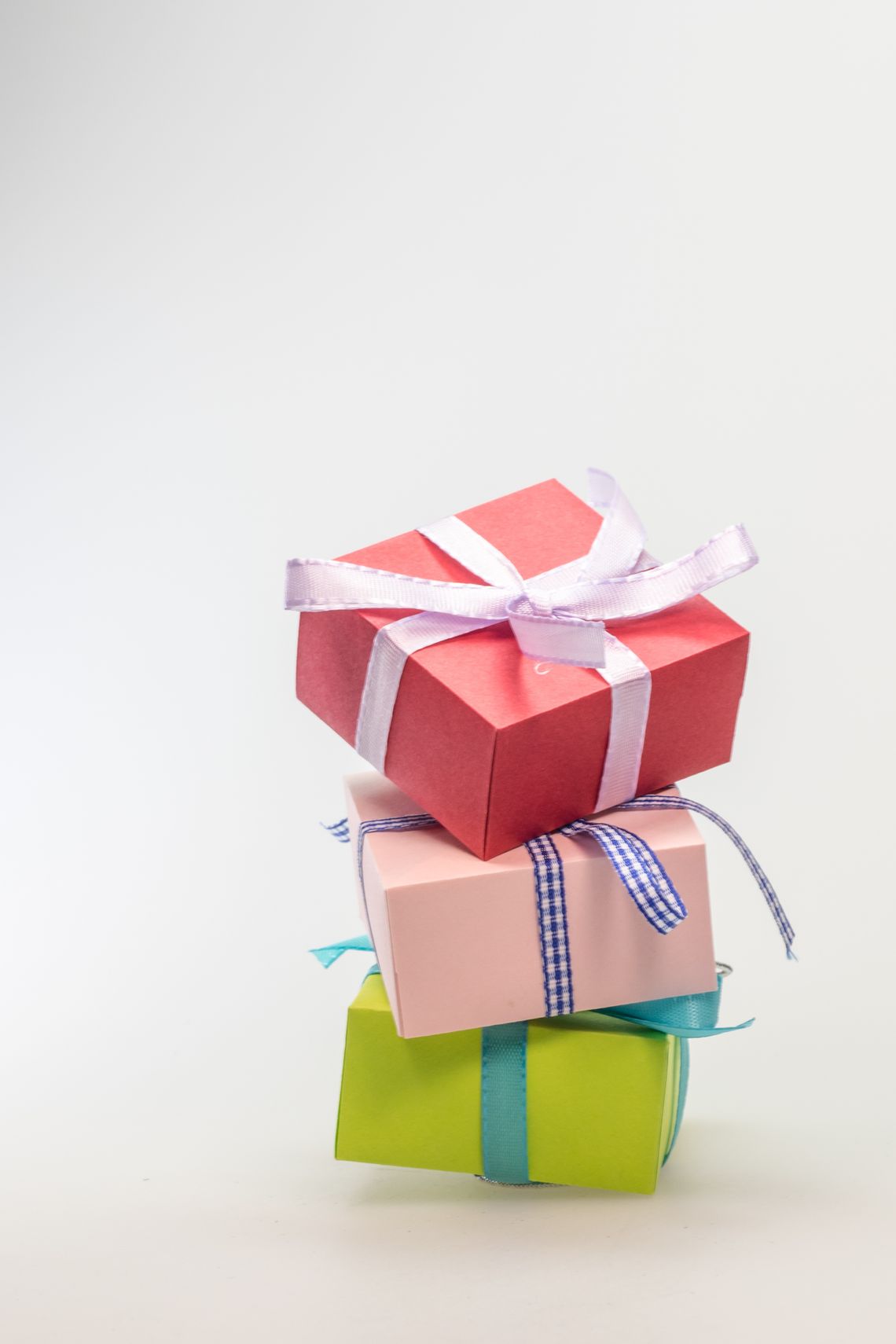
Thoughtfully wrapped gifts arranged for a special celebration
A memorable educational gift begins with the child’s interests, the right level of challenge, and an experience they will be excited to open.

Meaningful gifts for curious minds

Gift Guide

Find educational gifts that feel personal, playful, and useful long after the celebration. Toyvora’s guide helps you compare gifts by age, learning focus, interests, occasion, play style, and the practical details that matter to families.

Gifts organized by interest Age-aware ideas Creative and educational choices

The thoughtful-gifting framework

Four questions make gift selection easier

A strong gift fits the child, the occasion, the setting, and the kind of experience the giver hopes to create.

01

What Do They Love?

Begin with familiar interests such as stories, numbers, building, science, art, music, puzzles, pretend play, or movement.
02

How Do They Play?

Consider whether the child prefers quiet focus, open-ended creativity, active movement, technical projects, or social games.

03

What Fits the Moment?

A birthday centerpiece, classroom reward, holiday surprise, travel activity, and small encouragement gift may need different qualities.

04

What Will Families Need?

Check space, storage, setup, batteries, tools, cleaning, supervision, included pieces, and the time needed to enjoy the product.

Gift ideas by age stage

Use age as a starting point, not the only rule

Age guidance helps narrow the complexity, piece size, reading level, assembly, movement, and supervision expected from a product.

  • 1Ages 0–2 may enjoy large sensory pieces, simple stacking, sound play, early picture books, and supervised movement toys.
  • 2Ages 3–5 may enjoy alphabet games, counting activities, shape puzzles, art materials, simple building, and pretend play.
  • 3Ages 6–8 may enjoy reading challenges, math games, science kits, construction sets, board games, and creative projects.
  • 4Ages 9–12 may enjoy coding, robotics, complex puzzles, detailed models, strategy games, and longer STEM projects.
  • 5Ages 13+ may prefer technical kits, advanced construction, artistic tools, challenging games, models, or active recreation.
Always review the specific product’s age guidance, small parts, magnets, batteries, tools, chemicals, assembly, and supervision requirements.
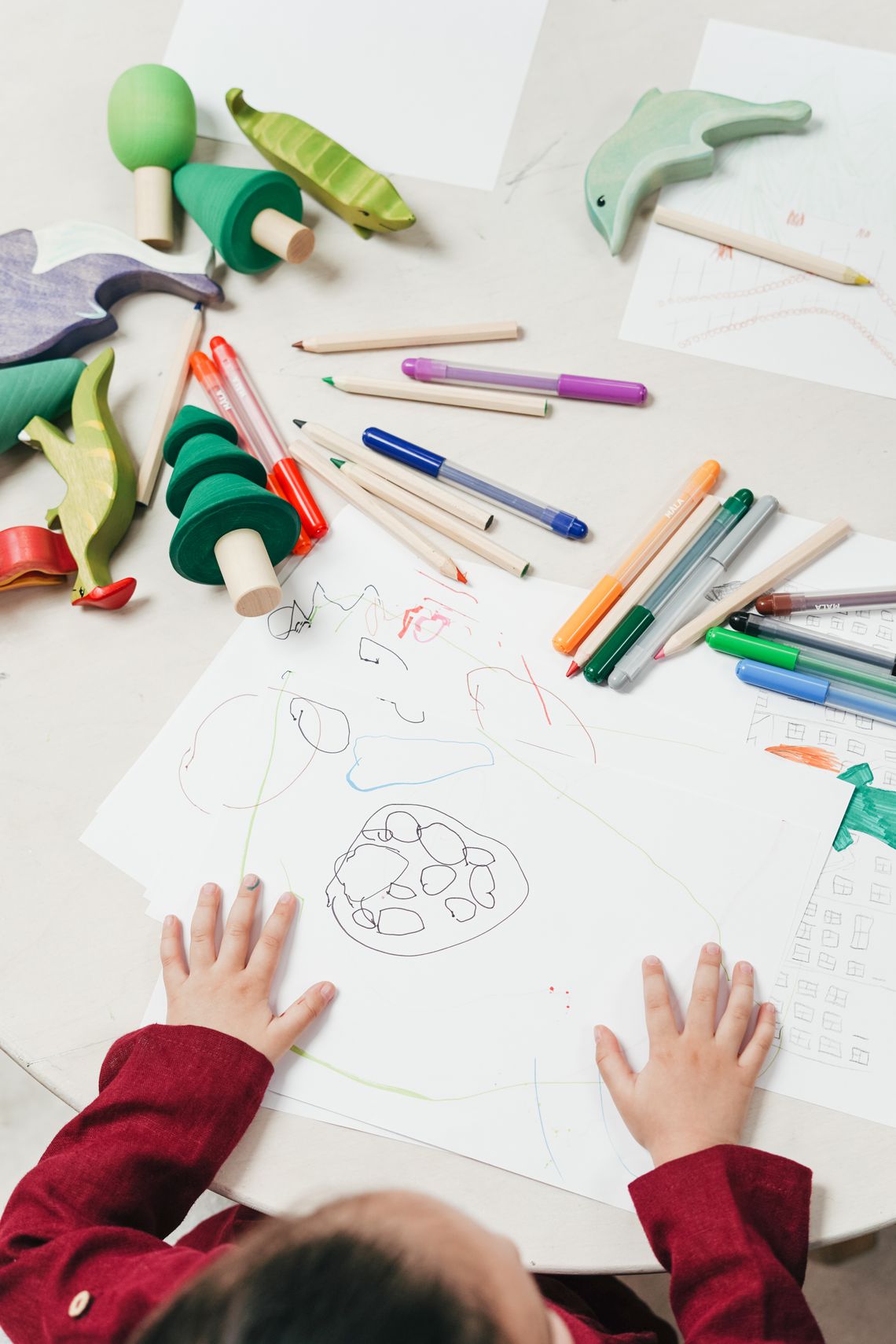
Young child enjoying a carefully selected educational gift
The best age-based gift balances the product’s guidance with the individual child’s confidence, experience, interests, and support needs.

Match the gift to what already captures their attention

Interest is often the strongest clue. A child who loves stories may enjoy a different kind of challenge from one who spends hours building, experimenting, performing, or moving.

For Story Lovers

Explore alphabet sets, reading games, writing activities, puppets, role play, memory cards, and storytelling prompts.

For Number Thinkers

Explore counting, mathematics, play money using dollars and coins, measurement, strategy games, and pattern challenges.

For Young Scientists

Explore nature tools, experiment kits, observation activities, science projects, coding, robotics, and electronics.

For Builders

Explore blocks, bricks, magnetic systems, mechanical sets, models, engineering challenges, and open-ended construction.

For Creative Minds

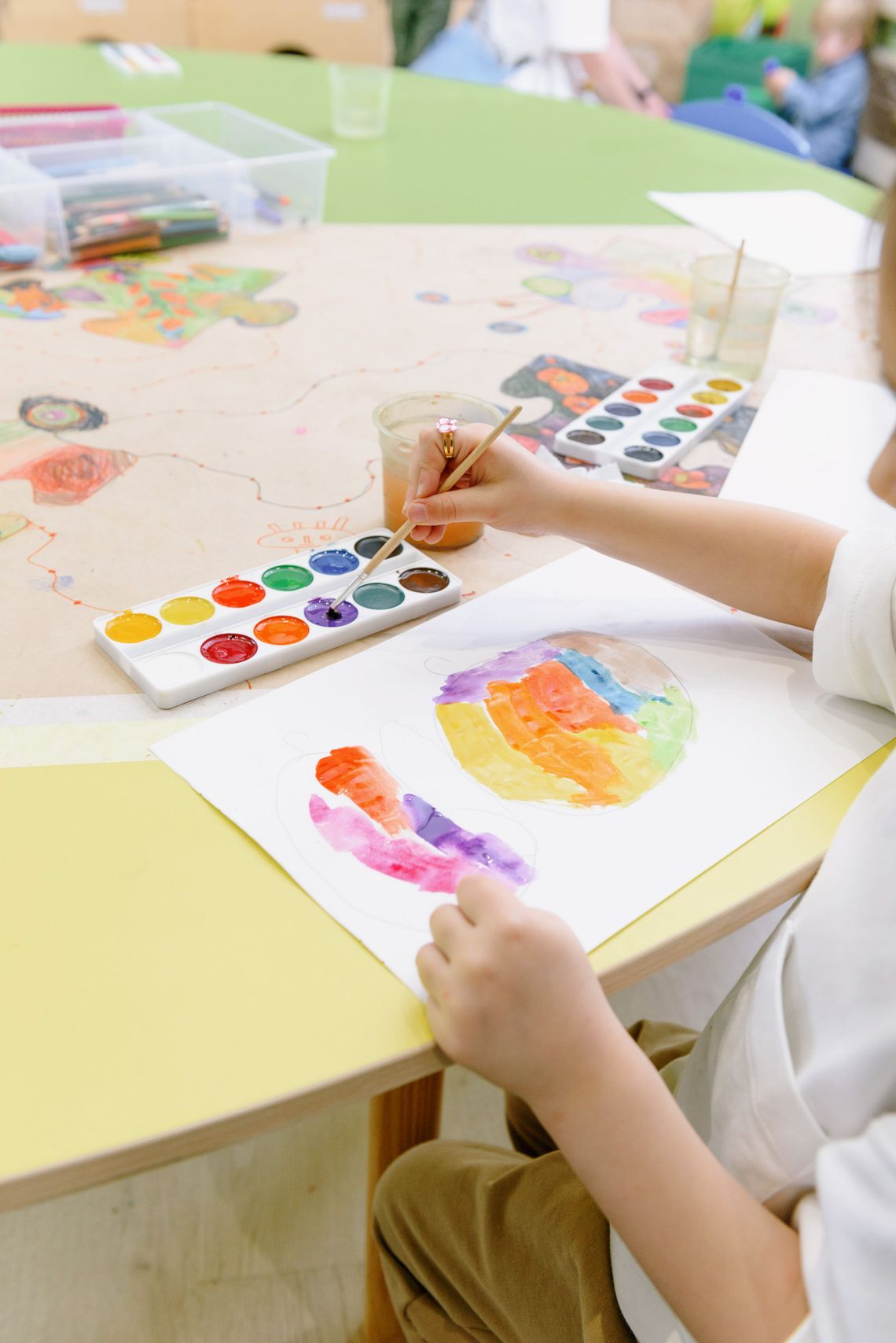
Explore visual arts, craft kits, music, dance, performance, design projects, costumes, and imaginative materials.

For Game Enthusiasts

Explore jigsaws, spatial puzzles, board games, card games, trivia, memory, logic, and social competition.
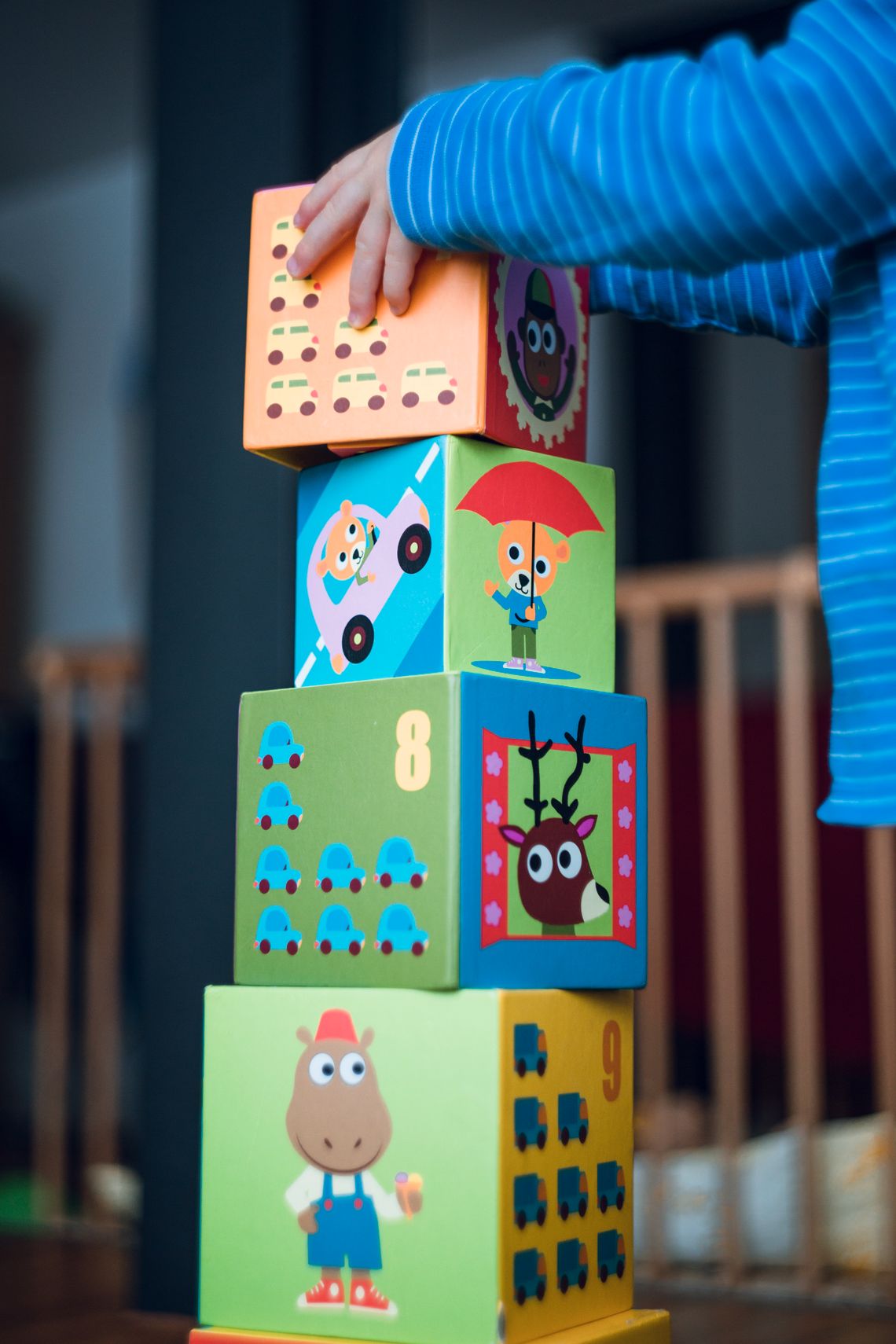
Colorful educational building blocks arranged for creative play
Open-ended building gifts can grow from a simple first project into stories, structures, machines, games, and shared family challenges.

Gifts with room to grow

Look for more than one way to play

A gift can hold attention longer when the child can revisit it with new goals, rules, combinations, stories, or levels of difficulty.

  • 1Open-ended building materials can support structures, vehicles, models, imaginative worlds, and group projects.
  • 2Games with changing strategies can remain engaging as memory, planning, mathematics, and social skills develop.
  • 3Creative kits can lead to new techniques, personal styles, display pieces, performances, or gifts made for other people.
  • 4STEM products can expand from guided projects into experiments, coding variations, redesigns, and independent challenges.
  • 5Pretend-play sets can change with the child’s stories, roles, vocabulary, routines, and social experiences.
Repeatable play Changing difficulty Open-ended creativity Expandable projects Shared family use

Gift ideas by occasion

Choose the right scale for the moment

The occasion can help determine whether the gift should feel like a major project, an easy activity, a shared experience, or a small thoughtful surprise.

Birthday

A centerpiece gift

Consider a substantial building set, robotics project, art collection, outdoor activity, musical product, or family game.

Holiday

Time for shared play

Board games, construction systems, creative kits, puzzles, pretend-play sets, and group activities can bring people together.

Achievement

Celebrate progress

Choose a gift connected to a new interest, mastered skill, completed school term, personal goal, or confident next step.

Travel

Portable engagement

Compact puzzles, card games, writing activities, magnetic play, drawing kits, and quiet logic challenges are easier to carry.

Classroom

Learning with others

Consider durable products suitable for demonstrations, small groups, turn-taking, repeated practice, and organized storage.

Just because

A small moment of joy

A book activity, mini puzzle, card game, craft set, memory challenge, or simple outdoor toy can feel deeply thoughtful.

Gifts for shared family time

Some gifts become traditions

Products designed for more than one player can create repeated opportunities for conversation, laughter, teamwork, strategy, and memory-making.
  • 1Board games can support turn-taking, planning, probability, negotiation, and respectful competition.
  • 2Large puzzles can become a quiet shared project with visible progress over several sessions.
  • 3Construction sets can invite siblings and adults to plan, divide tasks, troubleshoot, and build together.
  • 4Science projects can encourage prediction, observation, discussion, and a shared sense of discovery.
  • 5Music, performance, trivia, and pretend play can give each participant a different way to contribute.
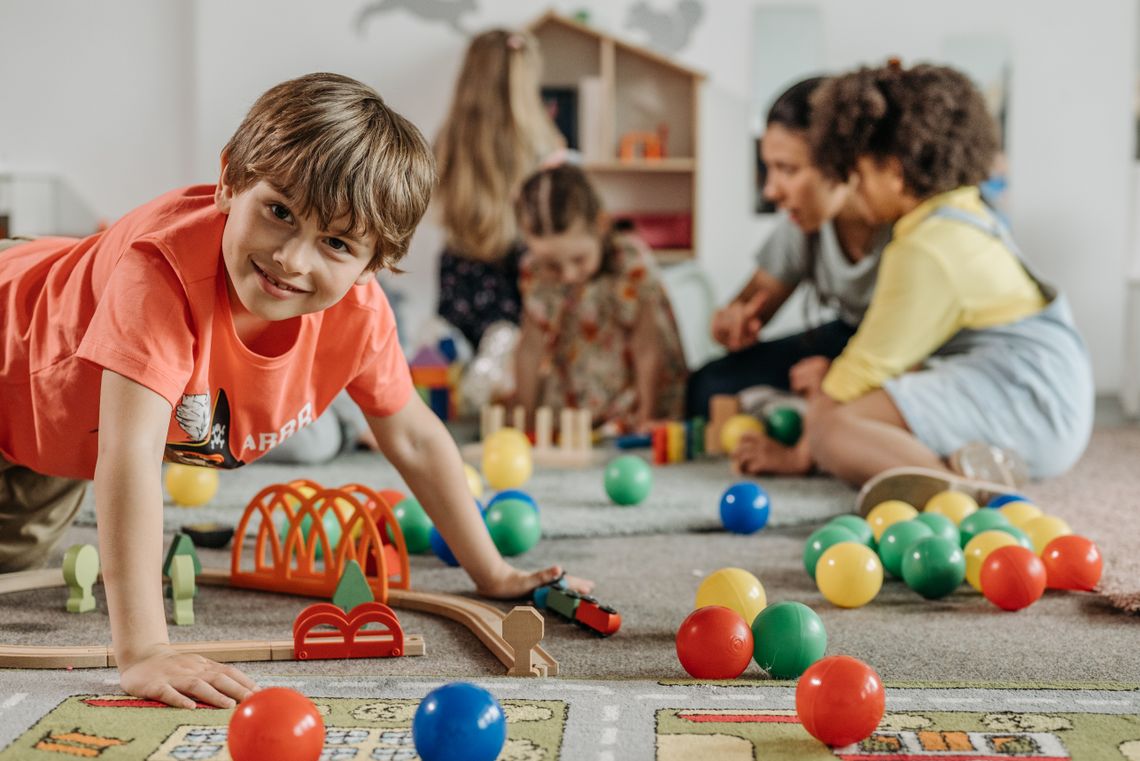
Family enjoying an educational game together at home
A shared gift can become part of family routines, celebrations, rainy afternoons, visits, and memorable traditions.

Thoughtful gifts at different budgets

Value comes from fit, not only size

A smaller gift that matches the child’s interest can be more meaningful than a larger product chosen without considering how they play.

Small thoughtful gifts

Consider cards, memory games, compact puzzles, writing activities, art tools, mini building sets, or simple outdoor play.

Everyday gift ideas

Consider board games, craft kits, alphabet and math sets, science activities, pretend-play accessories, or construction products.

Feature gifts

Consider robotics, electronics, advanced models, large building systems, musical products, or complete outdoor activities.

Gifts for siblings

Choose larger puzzles, social games, collaborative building sets, role-play collections, music activities, or active group play.

Gifts for classrooms

Prioritize durability, reusable materials, complete storage, multiple participants, clear instructions, and adaptable difficulty.
Parent preparing a special educational gift for a child
A short note explaining why the gift was chosen can make the experience feel more personal and invite the child to begin.

Presentation with purpose

Make the first moment feel personal

The way a gift is introduced can help the child understand why it was chosen and create excitement around the experience rather than only the object.

  • 1Add a short note connecting the gift with an interest, achievement, question, story, or future project.
  • 2For complex products, offer to help with the first setup while leaving the child in control of the decisions.
  • 3For games, plan a first family session so the product begins with participation rather than remaining unopened.
  • 4For craft and STEM gifts, prepare a suitable surface, storage container, batteries, or required tools in advance.
  • 5For outdoor gifts, check space, weather, protective equipment, supervision, and the intended activity area.
Product packaging and contents may vary by item. Review the listing and supplied instructions before promising specific accessories or features.

Before placing the order

Complete a final gift check

A few practical checks can prevent an exciting gift from becoming difficult to use, store, assemble, or supervise.
  • 1Confirm the recipient’s age, interests, experience, and the product’s stated guidance.
  • 2Review dimensions, quantity, selected option, included pieces, materials, and storage needs.
  • 3Check batteries, charging, apps, compatible devices, tools, internet, assembly, and adult involvement.
  • 4Consider small parts, magnets, chemicals, electronics, projectiles, cords, and other safety details.
  • 5Verify the recipient name, complete delivery address, apartment or unit, email, and phone number.
Child opening a colorful educational present with excitement
The strongest gift creates an immediate spark while leaving room for repetition, imagination, skill growth, and new discoveries.

Need help comparing gift ideas?

Ask Toyvora about product details

Toyvora provides 24/7 customer support. Our team can explain available product information, age guidance, learning focus, included pieces, dimensions, batteries, assembly, care, and supervision considerations.

Toyvora offers free shipping on every product, estimated delivery in 3–5 calendar days, and eligible returns or exchanges within 30 days under the applicable store policy.

Support Email: support@toyvora.lol
Support Phone: +1 (509) 346-2936

Toyvora provides retail product information and general educational-play guidance. Individual medical, developmental, therapeutic, accessibility, or educational recommendations should come from an appropriate qualified professional.
Contact Toyvora

A gift worth remembering

Choose for the child, not only the occasion

The most meaningful educational gifts reflect how a child thinks, creates, moves, communicates, solves problems, and spends time with other people.

  • 1Begin with a real interest rather than a general trend.
  • 2Choose an achievable challenge with room for growth.
  • 3Consider the family’s space, time, storage, and support.
  • 4Look for several ways to play or extend the experience.
  • 5Make the first moment personal with a note, invitation, or shared activity.
Toyvora
1108 17th Ave, Apt 6, Longview, WA 98632, United States
Support Email: support@toyvora.lol · Support Phone: +1 (509) 346-2936