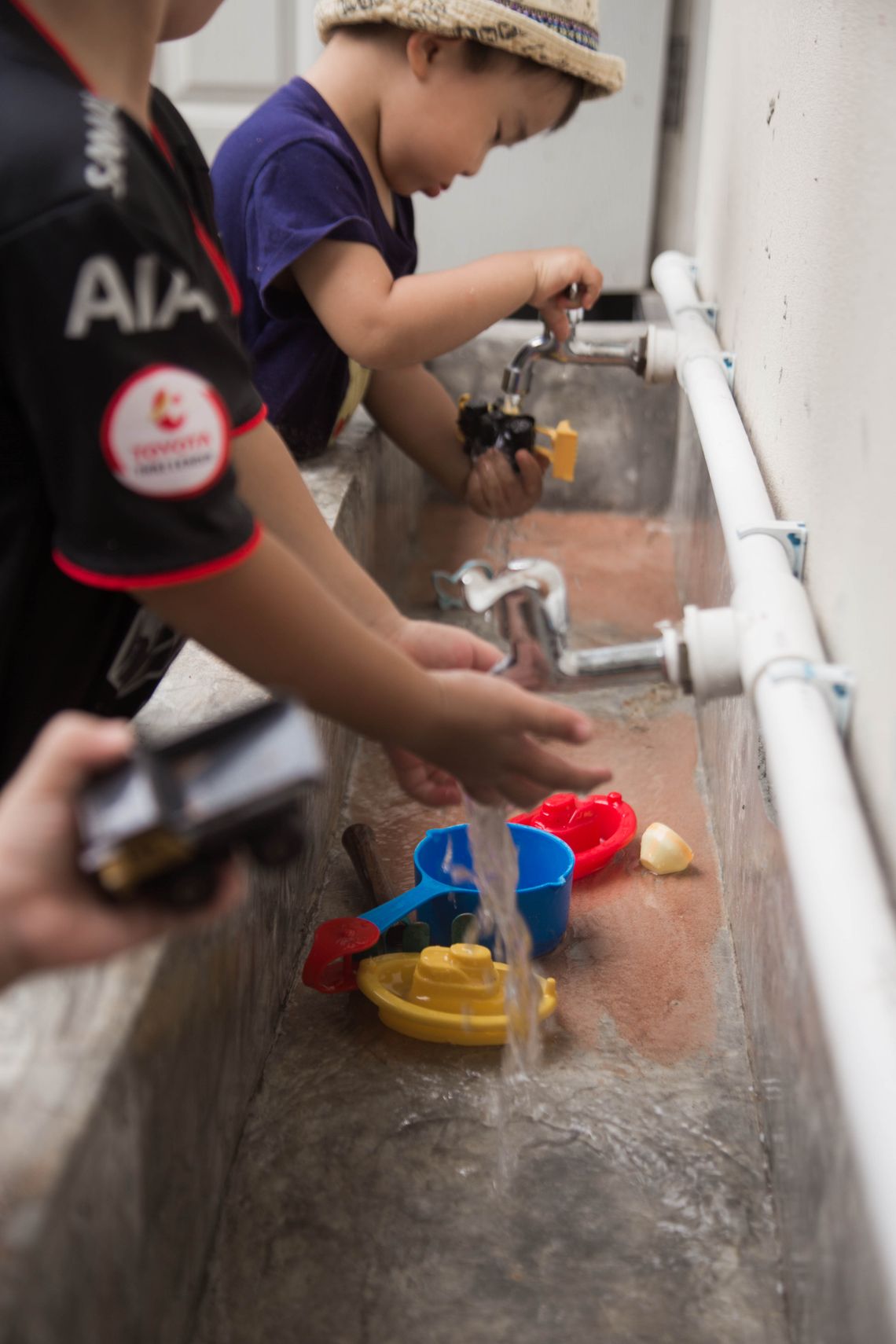
Children washing colorful toys together outdoors
Regular inspection, suitable cleaning, complete drying, and careful storage help educational toys remain ready for safer play.

Simple routines for longer-lasting play

Toy Care & Safety Guide

Educational toys can contain wood, plastic, fabric, paper, paint, magnets, batteries, electronics, craft materials, moving parts, and outdoor components. This guide helps families inspect, clean, organize, store, and supervise different products while following the instructions supplied with each item.

Product-specific cleaning Routine safety checks Organized family storage

The everyday care routine

Four habits protect the complete play experience

A short check before and after play can identify wear, missing components, moisture, dirt, loose fasteners, or changes that require adult attention.

01

Inspect Before Play

Check the product, components, fasteners, seams, surfaces, batteries, cables, and moving parts before giving it to a child.
02

Use as Directed

Follow the stated age guidance, assembly, supervision, setup, charging, cleaning, and intended-use instructions.

03

Clean Correctly

Match the cleaning method to the material instead of washing every toy with the same products or amount of water.

04

Store Completely

Count pieces, dry the product, separate sensitive materials, and return everything to a suitable storage area.

Cleaning begins with the material

Read the care instructions before adding water

Different materials react differently to moisture, heat, cleaning agents, friction, sunlight, and machine washing. When product instructions differ from general guidance, follow the product instructions.
  • 1Remove batteries, electronic modules, paper inserts, loose accessories, and washable covers when the instructions permit.
  • 2Test any approved cleaning method on a small less-visible area when color, finish, printing, or paint could be affected.
  • 3Use a clean cloth and only the amount of moisture needed for the approved method.
  • 4Do not mix cleaning chemicals or use strong products that are not approved for the material.
  • 5Allow every component to dry fully before reassembly, battery installation, storage, or play.
Never immerse a toy containing batteries, wiring, speakers, motors, lights, charging ports, sensors, or electronic controls unless the product instructions specifically state that immersion is safe.
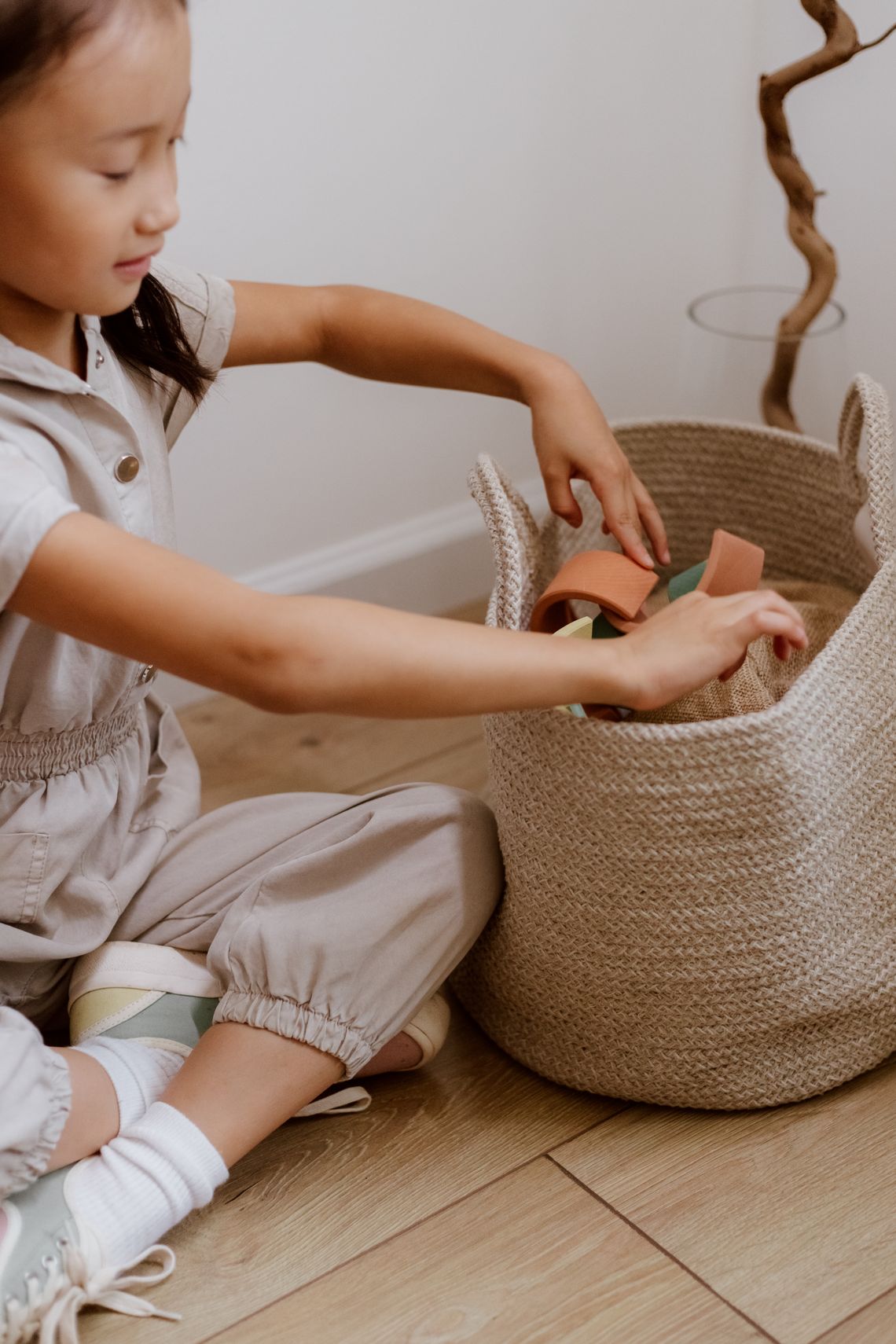
Child organizing and tidying toys in a warm playroom
Care routines can become part of play by teaching children to sort, count, inspect, and return suitable items with adult guidance.

Use a care method that respects each material

Product construction can include several materials in one item. Clean the complete product according to its most sensitive component and supplied instructions.

Plastic and Silicone

Wipe or wash only as directed, paying attention to openings, stickers, painted details, trapped water, and internal components.

Wood and Cork

Avoid soaking unless approved. Excess moisture may affect finish, shape, joints, printing, adhesives, and drying time.

Fabric and Plush

Check whether the item is surface-clean only, hand washable, or machine washable, and confirm the approved drying method.

Paper and Card

Keep books, cards, puzzles, instructions, stickers, and printed boards away from water, damp storage, and food residue.

Metal and Magnets

Dry promptly and inspect coatings, edges, fasteners, magnetic pieces, and any sign of corrosion, separation, or damage.

Craft Materials

Close containers securely, follow storage directions, separate tools, and discard materials that dry out, leak, spoil, or become contaminated.
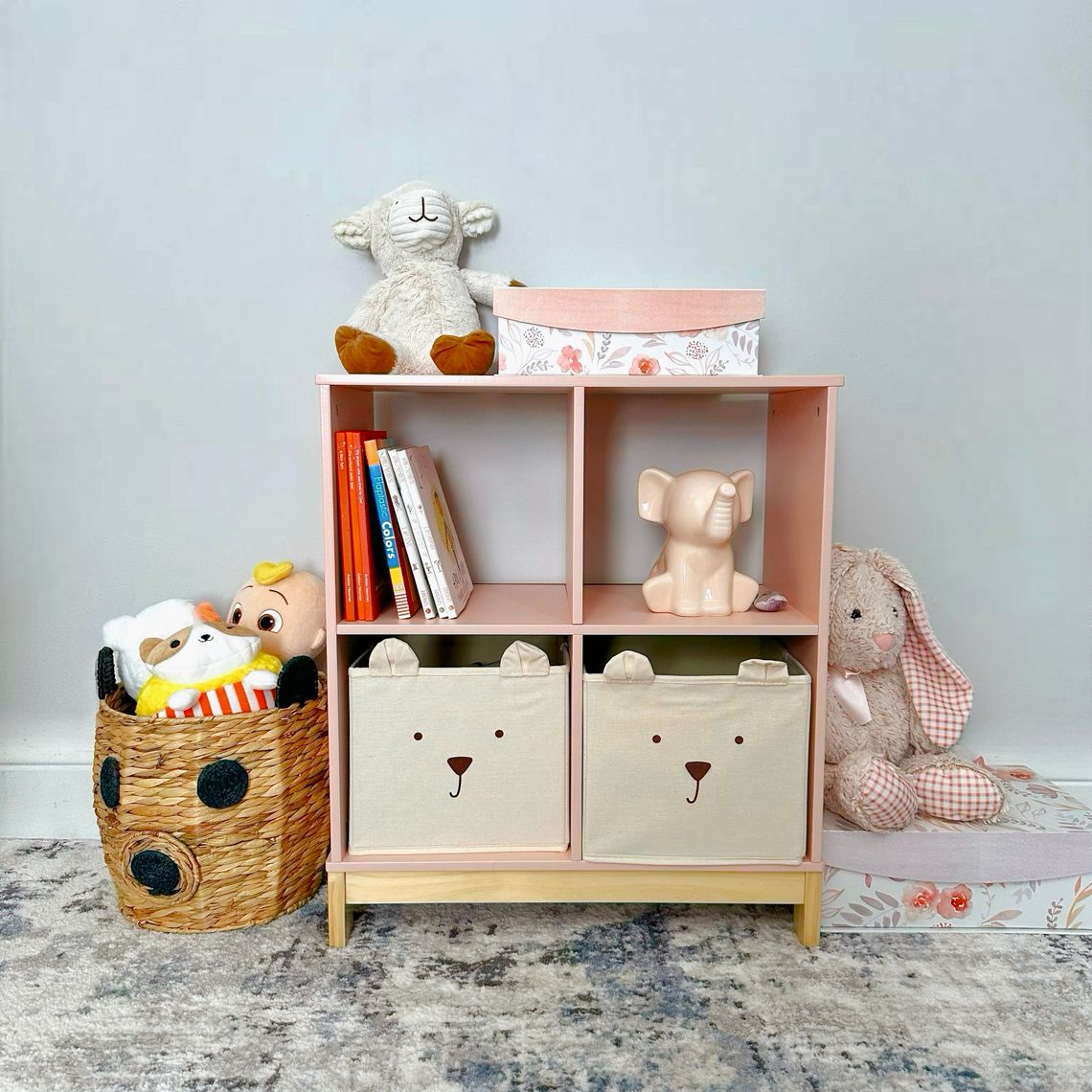
Organized children's playroom shelves with toys and books
Visible, labeled, age-appropriate storage can make cleanup easier while keeping delicate, advanced, or hazardous components out of reach.

Organized storage protects pieces and people

Give every product a suitable place to return

Good storage helps preserve sets, reduces trip hazards, protects delicate materials, and makes missing pieces easier to notice.

  • 1Store complete sets together using trays, labeled containers, resealable bags, fitted inserts, or divided boxes.
  • 2Keep batteries, magnets, tools, chemicals, sharp components, electronic parts, and advanced kits in adult-controlled storage.
  • 3Place frequently used age-appropriate toys where children can reach them without climbing or pulling heavy containers.
  • 4Avoid damp areas, direct heat, excessive sunlight, outdoor exposure, and surfaces where products may be crushed or stepped on.
  • 5Keep manuals, assembly guides, model numbers, care directions, and charging information with the product.
Complete sets Dry storage Visible labels Adult-controlled parts Clear floor space

Small parts and component checks

Count pieces before and after every session

Puzzles, models, games, building systems, craft kits, electronics, and pretend-play sets may include pieces that require organized adult oversight.

Small pieces

Separate by age access

Keep small components away from children who may place objects in their mouths and follow the product’s stated age guidance.

Magnets

Inspect for separation

Stop use if a magnet becomes loose, cracked, exposed, missing, or separated from its original housing.

Fasteners

Check screws and joints

Inspect screws, clips, hinges, axles, connectors, wheels, and moving joints for looseness, wear, or breakage.

Cords and straps

Prevent unsafe entanglement

Review length, attachment, fraying, loops, and placement, and store cords or straps as directed when not in use.

Broken pieces

Remove damaged items

Take cracked, splintered, sharp, leaking, detached, or misshapen components out of play immediately.

Missing pieces

Pause incomplete sets

Stop use when a missing component changes stability, electrical safety, intended operation, or the product’s safe assembly.

If a child may have swallowed a battery, magnet, chemical, or other hazardous component, seek immediate emergency medical assistance. Do not wait for symptoms to appear.

Batteries, charging and electronic toys

Adults should manage power and inspection

Coding, robotics, music, light-up, remote-control, and electronic learning products require extra attention around compartments, cables, charging, moisture, heat, and damaged components.
  • 1Use only the battery type, orientation, charger, cable, voltage, and power source stated in the instructions.
  • 2Keep loose batteries and button cells in secure adult-controlled storage away from children.
  • 3Confirm that the battery compartment closes securely and that required screws or fasteners remain fitted.
  • 4Stop use if the toy, battery, cable, plug, or charger becomes unusually hot, swollen, wet, damaged, discolored, or produces an unusual smell.
  • 5Disconnect power before cleaning, changing components, inspecting wiring, or storing the toy for an extended period.
Adult battery changes Secure compartments Dry charging area Correct power source Stop after damage
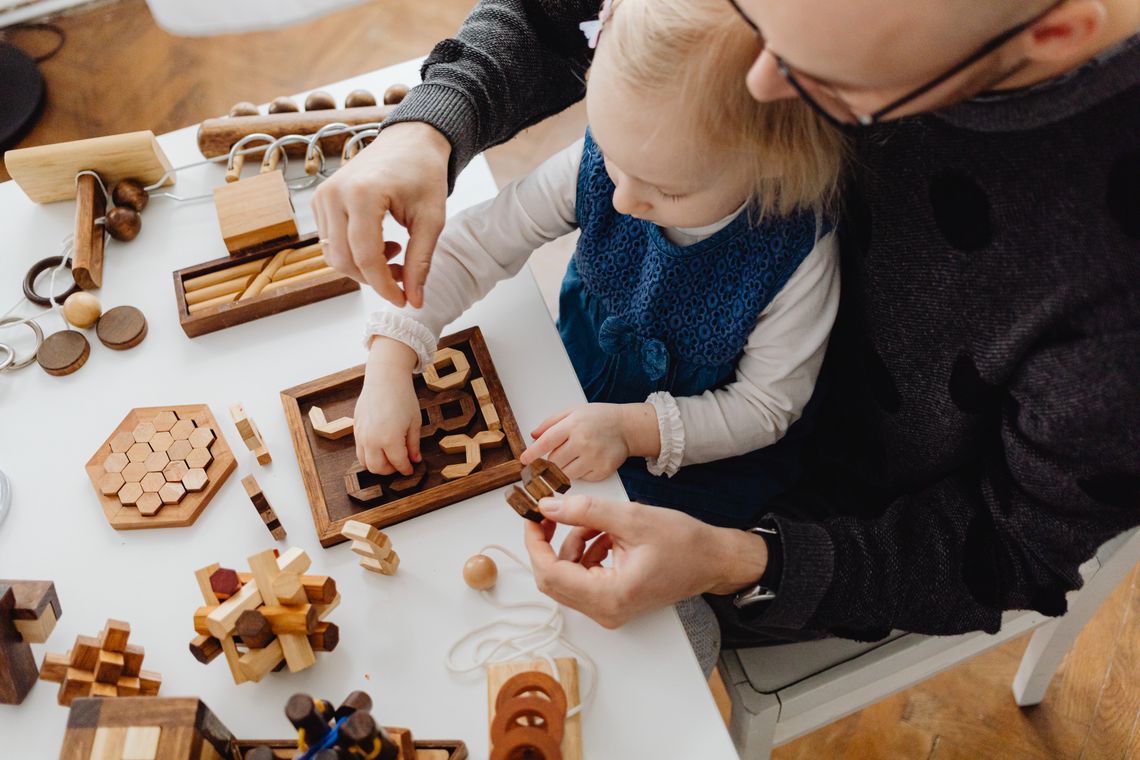
Father guiding his daughter while using educational toys
Adult guidance is especially important during assembly, charging, battery changes, tool use, and the first test of a technical product.

When a product should leave the play area

Stop use when condition or behavior changes

Do not continue play simply because a product still appears to work. Structural, material, electrical, or hygiene changes may require repair guidance, replacement, or disposal.

Cracks or sharp edges

Remove the product when breakage creates points, splinters, exposed internal pieces, unstable surfaces, or detachable fragments.

Loose magnets or batteries

Stop use immediately and place all loose components in secure adult-controlled storage.

Heat, swelling or odor

Disconnect power when safe to do so, move children away, and follow the supplied safety and disposal instructions.

Mold, persistent moisture or contamination

Keep the item out of play and follow product-specific cleaning, replacement, or disposal guidance.

Missing structural components

Do not use an incomplete product when the missing part affects balance, fastening, movement, containment, or intended operation.

Frayed fabric, cords or seams

Remove items when filling, wiring, elastic, cord, or small internal components become accessible.

Child wearing protective headgear during outdoor play
Outdoor activities require suitable space, product inspection, weather awareness, adult supervision, and protective equipment when directed.

Outdoor sports and movement products

Prepare the space before active play begins

Movement products can involve speed, balance, projectiles, impact, water, uneven ground, other people, and changing weather conditions.

  • 1Inspect the activity area for traffic, stairs, water, obstacles, sharp objects, unstable surfaces, and limited visibility.
  • 2Check straps, handles, wheels, grips, fasteners, nets, balls, targets, protective surfaces, and moving parts before use.
  • 3Use helmets, pads, eye protection, footwear, or other protective equipment when required for the product or activity.
  • 4Dry and clean outdoor products before indoor storage to reduce moisture, dirt, corrosion, odor, and material damage.
  • 5Store products away from prolonged rain, direct heat, excessive sunlight, freezing conditions, and unauthorized access.
Adult supervision should match the child, product, location, speed, number of participants, and possible consequences of a fall, collision, or misplaced projectile.

Creating a safer play area

Arrange the environment before opening the set

A suitable play area can reduce avoidable damage, mixing, spills, falls, lost pieces, and access by younger children.
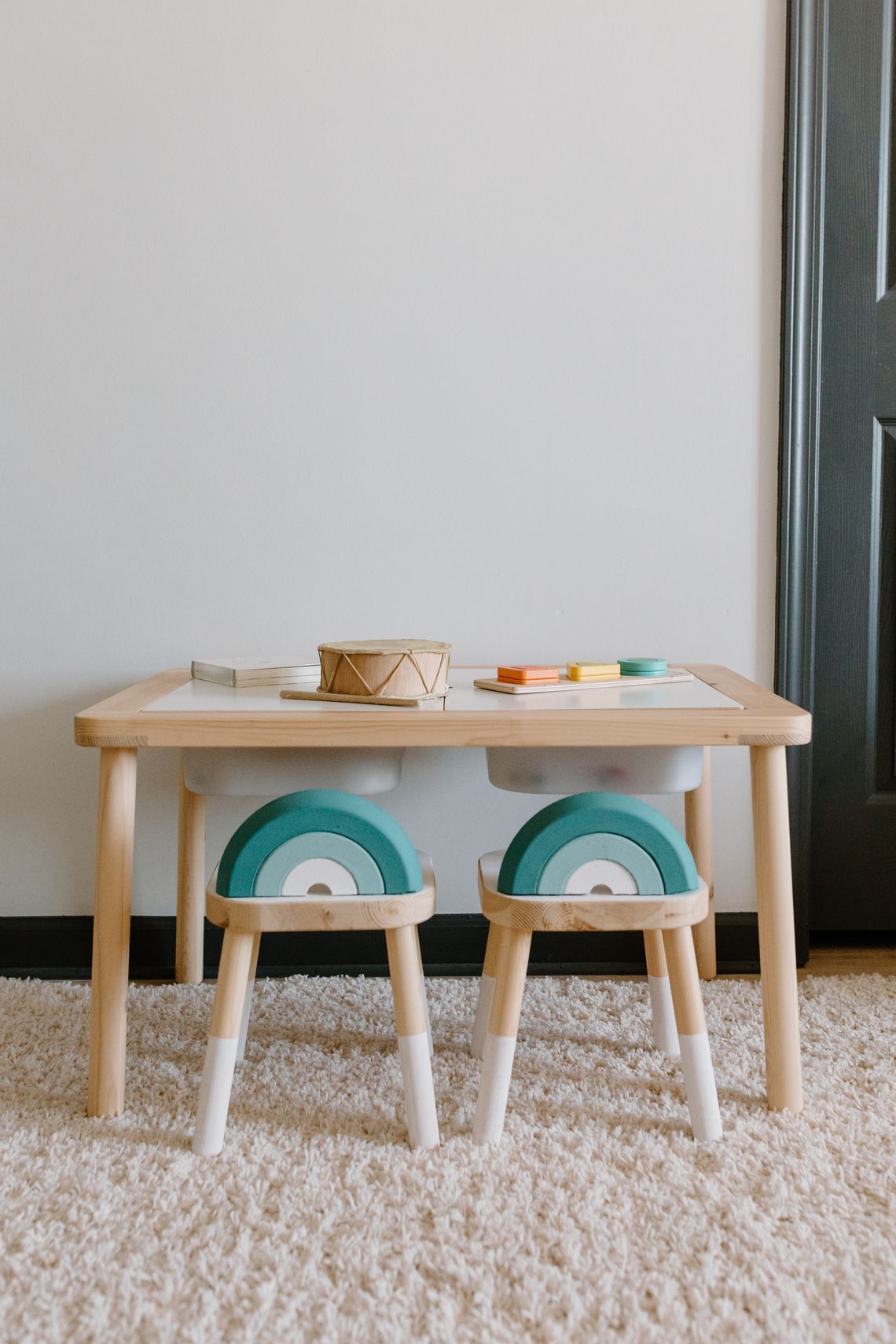
  • 1Use a stable table, floor mat, tray, washable surface, or outdoor area appropriate for the activity.
  • 2Keep food, drinks, pets, younger children, and unrelated materials away when they could interfere with the product.
  • 3Provide enough light and room for the child to identify pieces, read instructions, and move without crowding.
  • 4Prepare storage containers before opening products with many small pieces, cards, craft materials, or electronic parts.
  • 5Review cleanup, handwashing, drying, disposal, charging, and storage before the activity begins.
Calm child-friendly playroom with wooden furniture and educational toys
A calm, uncluttered setup helps children see the activity clearly while making adult supervision and cleanup more manageable.

Product care and safety support

Ask Toyvora before continuing uncertain use

Toyvora provides 24/7 customer support for available product instructions, included components, assembly, batteries, charging, care, damaged items, missing pieces, returns, and exchanges.

When requesting help, include the order number, product name, model or variation, a clear description, and photographs of the product, packaging, labels, and affected area when relevant.

Support Email: support@toyvora.lol
Support Phone: +1 (509) 346-2936

This guide provides general retail care and safety information. Always follow product-specific instructions and seek qualified medical or emergency help for ingestion, injury, exposure, burns, breathing difficulty, or another urgent health concern.
Contact Toyvora

A final routine after play

Finish every session with a complete check

A consistent close-down routine protects the product and prepares the space for the next activity.

  • 1Count pieces and compare them with the tray, instructions, inventory, or packaging layout.
  • 2Set aside any damaged, wet, dirty, loose, overheated, incomplete, or unusual component.
  • 3Clean and dry the product according to its material and supplied instructions.
  • 4Disconnect power, close containers, secure tools, and place sensitive components in adult-controlled storage.
  • 5Clear floors, tables, outdoor areas, and walking paths before leaving the play space.
Toyvora
1108 17th Ave, Apt 6, Longview, WA 98632, United States
Support Email: support@toyvora.lol · Support Phone: +1 (509) 346-2936