Ask a Question
Curiosity begins with noticing something and wondering why it happens or how it could work differently.
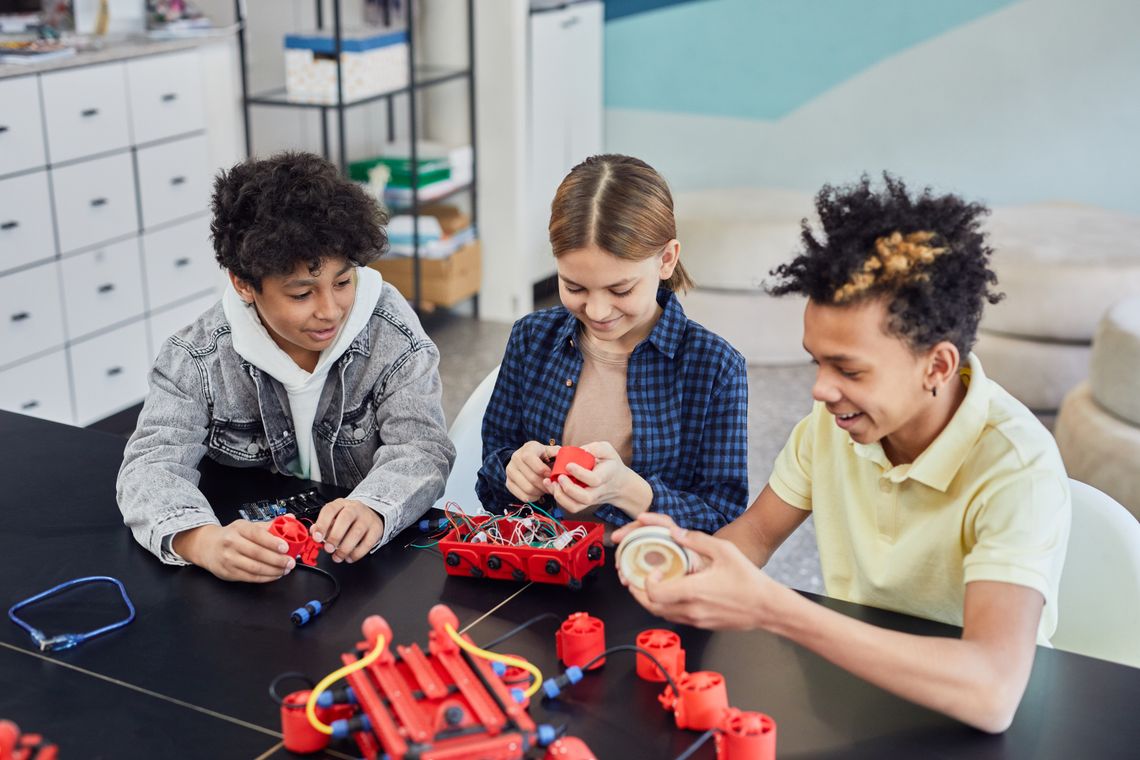
From curious questions to working ideas
Toyvora’s STEM and coding collection helps families explore science, technology, engineering, mathematics, robotics, electronics, construction, and logical thinking through practical play. This guide explains the skills behind each pathway and how to choose a suitable challenge.
The foundations of STEM play
STEM play turns abstract concepts into actions children can observe, repeat, compare, explain, and improve.
Curiosity begins with noticing something and wondering why it happens or how it could work differently.
Children choose materials, organize steps, predict results, or decide which instruction should happen first.
Building, coding, measuring, connecting, and experimenting reveal whether the plan works as expected.
A mistake becomes useful information that can guide debugging, redesign, adjustment, and another attempt.
Science and natural exploration
Science activities invite children to notice patterns, compare materials, predict outcomes, measure changes, and explain what the evidence suggests.

Coding does not always begin with a screen. Sequencing cards, directional games, programmable toys, puzzles, and physical challenges can introduce the same core ideas.
Arrange instructions in the correct order so an action, movement, sound, or result happens as intended.
Recognize repetition, relationships, and predictable structures that can be reused in a solution.
Explore decisions such as what should happen when a sensor, choice, obstacle, or rule changes.
Repeat a useful instruction rather than rebuilding the same series of steps again and again.
Find the step that caused an unexpected result, change it, and test the revised sequence.
Break a large challenge into smaller tasks that can be understood, solved, and combined.

Choosing a coding pathway
The most suitable starting point depends on the child’s reading level, experience, attention, comfort with devices, and ability to follow a sequence.
Robotics and electronics
Robotics combines instructions with physical components, giving children visible feedback when a program controls a motor, sensor, light, sound, or mechanism.
Frames, wheels, gears, axles, joints, fasteners, and supports create the body that carries each component.
Buttons, remote controls, light sensors, distance sensors, sound sensors, and touch inputs can trigger behavior.
A controller or program decides what the robot should do after receiving an input or command.
Motors, wheels, arms, lights, speakers, displays, and other outputs turn instructions into action.
Children can test connections, direction, timing, speed, stability, sensor placement, and programmed behavior.
Changing the structure or code teaches children that engineering solutions can be refined after testing.
Robotics project readiness
Robotics products can vary from simple snap-together toys to detailed systems involving tools, wiring, programming, calibration, and multiple electronic components.
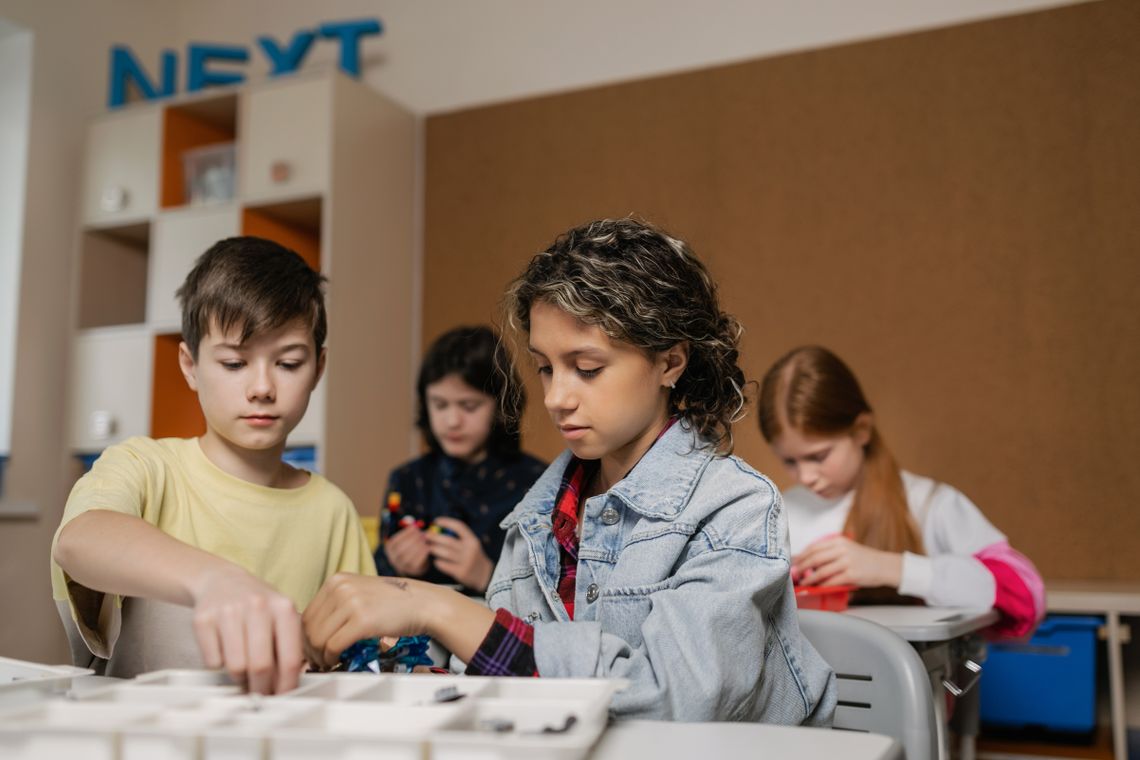

Engineering and mathematical thinking
Construction and model projects allow children to use mathematics while making decisions about dimension, proportion, symmetry, balance, force, movement, and material use.
Building a STEM routine at home
Adults can support STEM learning without taking control of the project by asking focused questions and allowing enough time for experimentation.
What are you trying to make, discover, or control? Which materials and steps do you think you will need?
Which part is carrying the load? What keeps it balanced? Where might the structure need more support?
What should happen first? Which instruction controls that result? Where does the output become different from the plan?
What changed? Which evidence can you observe or measure? Can you repeat the result under the same conditions?
What is one possible cause? Which single change can test that idea without changing everything at once?
What worked well, what would you redesign, and how would you explain the project to another person?
Choosing the right STEM product
A suitable product should be understandable enough to begin, challenging enough to require thought, and flexible enough to support new projects after the first success.

Need help comparing STEM products?
Toyvora provides 24/7 customer support. Our team can explain available age guidance, learning focus, included components, batteries, charging, compatible devices, apps, tools, assembly, care, and supervision information.
Toyvora offers free shipping on every product, estimated delivery in 3–5 calendar days, and eligible returns or exchanges within 30 days under the applicable store policy.
Support Email: support@toyvora.lol
Support Phone: +1 (509) 346-2936
Safety before experimentation
Inspect parts, instructions, tools, power sources, chemicals, surfaces, protective equipment, and the intended work area.